

Learning New Workflows: Strategies for Effective Employee Training in AI Projects

Learning New Workflows: Strategies for Effective Employee Training in AI Projects
Most AI projects stumble not because of technology, but because people struggle to learn new workflows. If your team feels stuck adapting to AI tools, you’re not alone. Research from McKinsey shows that effective employee training and clear change management can smooth this transition and boost enterprise operations. Let’s explore practical strategies that make AI deployment efforts work for your business including the use of Palantir Technologies.
Strategies for AI Change Management

Making AI work in your organization starts with people, not technology. When teams understand the “why” behind new systems, they adapt faster and get better results.
Embracing AI Tools Adaptation
The gap between AI potential and actual results often comes down to how well your team adapts to new tools. Change acceptance happens in stages, not overnight.
Start small with pilot groups who can become internal champions. A McKinsey study found that companies with dedicated change teams saw 3x higher success rates in tech adoption projects. These teams bridge the gap between technical capabilities and practical daily use.
Your messaging matters too. Frame AI tools as teammates that handle routine tasks, not as replacements for human judgment. This small shift in perspective can turn resistance into curiosity. When people see AI as a helper rather than a threat, they’re more likely to give new workflows a fair chance.
Break training into bite-sized chunks that fit into busy schedules. Research from Forrester shows that microlearning in short, focused sessions boosts retention by up to 60% compared to marathon training days.
Overcoming Resistance to New Workflows
Resistance to change is natural, but you can plan for it. Workflow disruption causes stress that shows up as pushback against even helpful new tools.
Create a feedback loop where team members can report obstacles without fear. When someone says, “This new process takes twice as long,” take that input seriously. Often, small tweaks based on user feedback make the difference between a workflow that works and one that gets abandoned.
Set realistic timelines for adaptation. Most organizations underestimate how long it takes teams to become comfortable with new AI tools. Gartner research suggests planning for a 3-6 month adjustment period for complex AI implementations, not the 2-4 weeks many leaders expect.
Make early wins visible to everyone. When the accounting team saves 10 hours a week using a new AI workflow, share that story company-wide. These success stories build momentum and help skeptics see practical benefits, not just promises.
Effective Employee Training Techniques
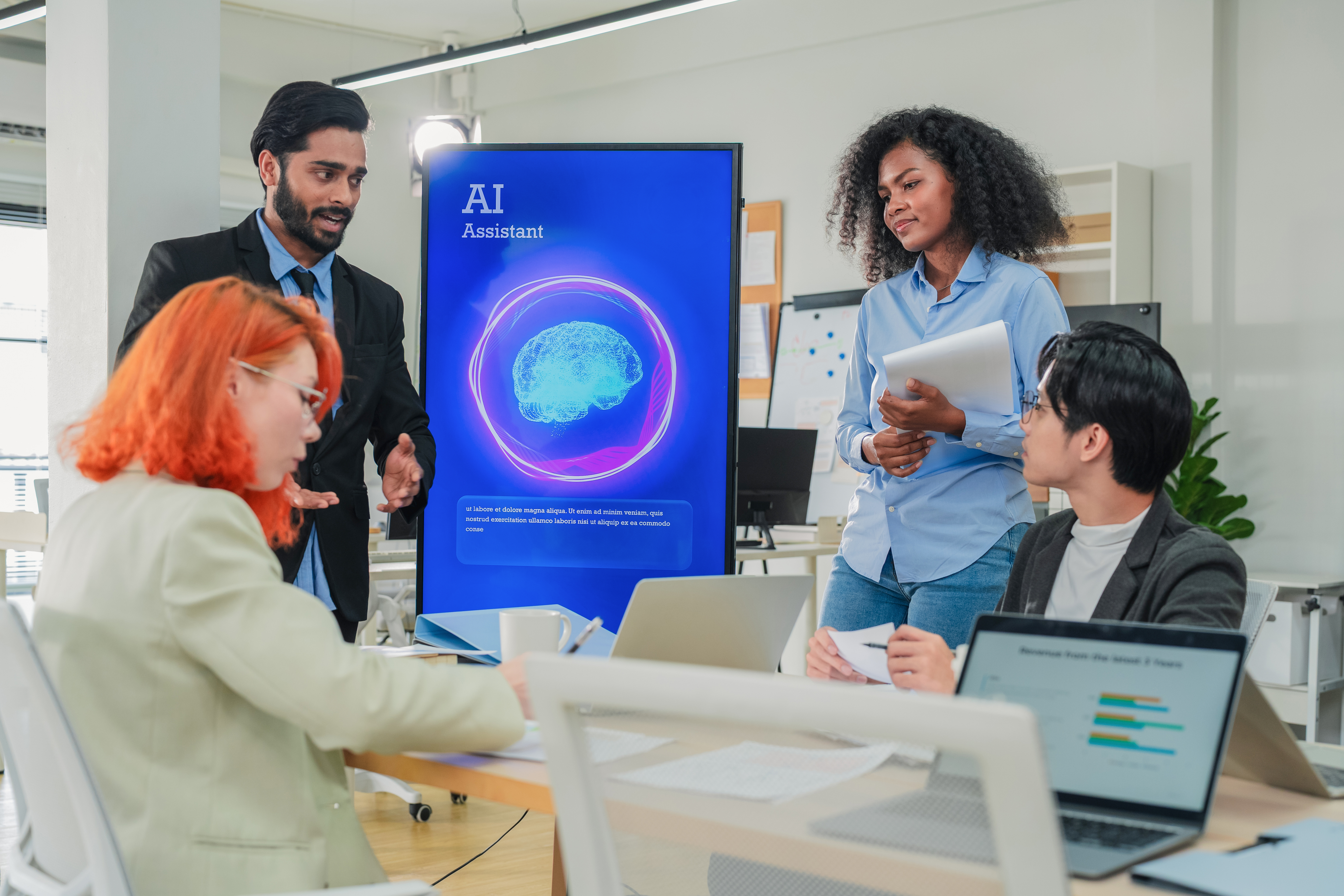
The right training approach can cut months off your AI implementation timeline. Focus on practical skills over technical details to keep teams engaged and confident.
Leveraging Industry Knowledge
Smart organizations don’t start from scratch with AI training. They build on what teams already know and trust.
Industry context matters more than technical specifications. When you connect new AI workflows to existing industry knowledge, adoption happens faster. For example, if your sales team already tracks customer interactions, show how AI can spot patterns they might miss—without changing how they log their activities.
Pull insights from research firms that study your specific industry. McKinsey’s research on change management in the age of generative AI shows that companies who customize training to their industry see 40% faster adoption rates.
Create a “translation guide” that maps industry terms to AI concepts. This simple tool helps bridge the gap between what your team already knows and what they need to learn. When someone can say “Oh, this is just like our quarterly forecast process, but faster,” you’ve won half the battle.
Pair technical trainers with industry veterans who can provide real-world context. This combination helps teams see both how to use new tools and why they matter in your specific business context.
Implementing Palantir Technologies
Palantir platforms offer powerful capabilities, but success also depends on how you introduce them to your teams.
Start with the problems your teams actually want to solve. When training focuses on daily pain points, like hours spent compiling reports or missing important patterns in data, people pay attention.
Break training into role-specific modules. Your data analysts need different skills than operations managers. Deloitte’s Palantir AI upskilling blueprint recommends creating persona-based learning paths that match how each role will actually use the platform.
Create a “sandbox” environment where teams can practice without fear of breaking anything. This safe space allows for the trial-and-error learning that builds true comfort with new systems.
Track which training approaches lead to actual usage. If teams complete training but don’t use the system, your training missed something important. The best measure of training success isn’t completion rates, it’s how quickly teams start using new workflows in their daily work.
Process Improvements in Enterprise Operations

When AI implementation works well, it creates a cycle of continuous improvement. Each process gets better as teams learn to work with AI tools as partners.
Streamlining Technology and Data Integration
The best AI implementations make complex data simple for the humans who need to use it.
Data accessibility beats data volume every time. Teams need clean, relevant information, not overwhelming dashboards. Start by identifying the 5-7 key data points that drive decisions in each department, then make those crystal clear in any new workflow.
Build bridges between existing systems rather than replacing everything at once. Research from McKinsey shows that companies who connect AI tools to current systems see results 2x faster than those attempting complete overhauls.
Create clear ownership for each data stream. When everyone knows who maintains specific information, problems get solved faster. This clarity prevents the “not my problem” response that can derail AI projects when data quality issues arise.
Test new workflows with real scenarios from your business history. If your team faced a major supply chain disruption last year, run that scenario through your new AI workflow. This practical testing builds confidence that new systems can handle real-world challenges.
The Role of Palantir Foundry and AIP
Palantir’s platforms offer immense advantages for teams learning new AI workflows, but require thoughtful implementation. Choose a partner like Ethicrithm to set you up for success.
Palantir AIP connects AI capabilities to your existing data without forcing teams to learn complex programming. This means your finance team can apply AI to financial forecasts without becoming data scientists first.
Create decision trees that show when to use different Palantir tools. Teams get frustrated when they don’t know which tool fits which situation. A simple guide that says “Use this workflow for routine decisions, that one for exceptions” cuts through confusion.
Build in time for teams to see connections between their actions and system outputs. Palantir Foundry shows how data flows through your organization, but teams need time to recognize how their work affects others downstream.
Measure success by business outcomes, not technical metrics. Instead of tracking system uptime or user logins, track whether key business processes improve. When your supply chain team cuts inventory costs while maintaining service levels, that’s the real measure of successful AI implementation.
The most successful AI implementations don’t just add new technology they improve how people work together. When teams understand both the tools and the reasons behind them, technology becomes a true business partner rather than just another system to learn.
Choosing the right partner to guide your AI journey is crucial for success, and companies like Ethicrithm provide the expertise needed to navigate these complexities. Collaboration with a strategic partner ensures that your AI projects are not just about adopting technology, but also about fostering cultural shifts and workflow integration. Ethicrithm specializes in aligning AI capabilities with your business objectives, helping to tailor training and implementation strategies that resonate with your unique organizational context. Their experience helps bridge the gap between technology and people, ensuring that the transition is smooth and effective.